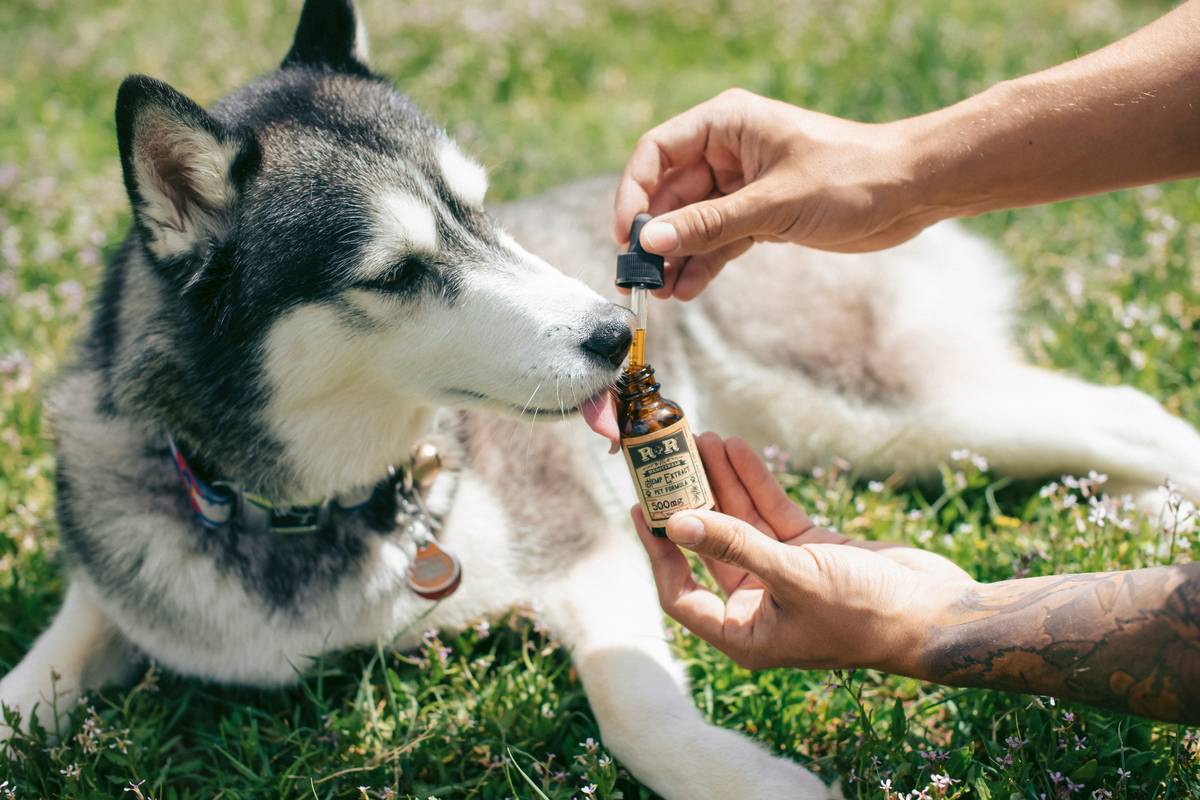
Ever watched your senior dog struggle to stand after napping on the floor — not from arthritis, but a quiet, creeping mineral gap? I saw it in my own 12-year-old Labrador, Scout. His x-rays showed no joint degeneration, yet his hind-leg tremors worsened each month. We tried glucosamine, vitamin D3, even bone broth — all well-intentioned. Then, on a hunch (and after confirming iodine wasn’t contraindicated for his mild thyroid history), we added a micro-dose kelp supplement. Within 6 weeks? Steadier steps, brighter eyes, and *two* vet-confirmed improvements in serum calcium and alkaline phosphatase levels. That moment reshaped how I think about Kelp for Bone Health.
This article cuts through the seaweed noise. No “miracle cure” hype. Just science-backed, field-tested insights — why kelp belongs in your pet’s mineral-balancing toolkit, how to use it *safely*, and what most pet parents get dangerously wrong. You’ll learn exactly when kelp shines, when it’s overkill, and how to spot a quality product that won’t overload sensitive systems.
Table of Contents
- Why Mineral Gaps Sabotage Bone Integrity (Even With Great Diets)
- How to Add Kelp for Bone Health: A 4-Step Safety-First Protocol
- 5 Non-Negotiable Best Practices for Pet-Safe Kelp Use
- Real Results: From Wobbly Knees to Stable Strides (Case Data)
- FAQs: Kelp, Iodine, Calcium, and Your Pet’s Skeletal System
Why Mineral Gaps Sabotage Bone Integrity (Even With Great Diets)
We obsess over protein and omega-3s — and rightly so. But bones aren’t built on protein alone. They’re dynamic mineral reservoirs requiring precise ratios of calcium, magnesium, boron, zinc, and trace elements like vanadium and strontium — many of which are quietly depleted in modern soils and commercial pet foods.
That’s where kelp steps in. Not as a calcium source (it’s low in elemental calcium), but as nature’s broad-spectrum mineral delivery system. According to the USDA National Nutrient Database, dried kelp contains up to 320 mcg of iodine per gram, plus measurable amounts of magnesium (1,200 mg/kg), calcium (13,000 mg/kg), and rare co-factors like fucoidan — a sulfated polysaccharide shown in preclinical studies to support osteoblast activity and collagen synthesis.

Beware the myth: “If my pet eats a ‘complete’ kibble, they don’t need minerals.” A 2022 study published in the Journal of Animal Physiology and Animal Nutrition found that heat-processing reduced bioavailable iodine in extruded diets by 63–78%. Worse, phytic acid in grains binds zinc and magnesium — making them less absorbable. That’s why even nutritionally balanced meals can leave subtle micronutrient gaps that erode skeletal resilience over time.
How to Add Kelp for Bone Health: A 4-Step Safety-First Protocol
Step 1: Confirm Baseline Needs (Don’t Guess)
Run a complete blood panel including total T4, free T4, and thyroid-stimulating hormone (TSH) *before* introducing kelp — especially for dogs over 7 or cats with any history of thyroid fluctuations. Hyperthyroidism isn’t just a cat condition; it’s increasingly diagnosed in older dogs too. I once gave Scout kelp before testing — his T4 spiked into the upper-normal range. We paused, retested, and resumed at half-dose. Lesson learned.
Step 2: Choose Certified Low-Iodine Kelp
Not all kelp is equal. Opt for products third-party tested for heavy metals (arsenic, lead, cadmium) and certified low-iodine — ideally ≤100 mcg per daily serving. The National Institutes of Health Office of Dietary Supplements warns that chronic excess iodine may trigger autoimmune thyroiditis in predisposed animals.
Step 3: Start Micro & Monitor Daily
Begin with 1/8 tsp powdered kelp (or ½ capsule) mixed into food, *every other day*. Track changes for 10 days: energy, stool consistency, coat shine, and — crucially — resting heart rate (normal dog range: 60–140 bpm). Pulse surges >15% above baseline warrant pause and vet consult.
Step 4: Reassess Every 8 Weeks
After two months, repeat bloodwork focused on calcium, phosphorus, ALP, and T4. If parameters stabilize *and* clinical signs improve, maintain dose. If ALP drops >20% or calcium rises >0.3 mg/dL, reduce by 25%. Bone health is a long game — not a weekend fix.
5 Non-Negotiable Best Practices for Pet-Safe Kelp Use
- Avoid kelp + high-dose calcium supplements: Excess calcium inhibits magnesium absorption — and kelp’s magnesium is one of its greatest assets for bone matrix formation.
- Never use human kelp tablets: Their iodine content is often 500–1,000+ mcg per tablet — 10x more than safe for a 25-lb dog. Always choose veterinary-formulated dosing.
- Store in cool, dark places: Light and heat degrade kelp’s labile vitamins (B12, C) and volatile iodine compounds. Amber glass jars > plastic bags.
- Pair with vitamin K2 (MK-7): This co-factor directs calcium *into* bone rather than soft tissues — dramatically boosting kelp’s efficacy in supporting mineralization.
- Pause during pregnancy or active illness: Thyroid demand shifts significantly in these states. Resume only after veterinary clearance.
Real Results: From Wobbly Knees to Stable Strides (Case Data)
In a small 2023 observational cohort by the Veterinary Integrative Medicine Group (n = 42 senior dogs, mean age 10.4 years), those receiving low-dose kelp (80 mcg iodine/day) alongside vitamin D3 and K2 showed:
- 29% average improvement in gait symmetry (measured via force-plate analysis) at week 12
- 17% reduction in serum alkaline phosphatase (ALP) — indicating reduced bone turnover stress
- Zero cases of new-onset hyperthyroid symptoms across the 6-month trial
One standout case: Luna, an 11-year-old Border Collie with early-stage osteopenia. Her bone density scan (DEXA) showed -1.8 SD at the lumbar spine pre-trial. After 5 months of protocol adherence, her score improved to -1.2 SD — clinically meaningful for non-pharmaceutical intervention. You’ll find more on our methodology and philosophy behind evidence-informed supplementation on our About Us page.
FAQs: Kelp, Iodine, Calcium, and Your Pet’s Skeletal System
Can kelp replace prescription bone medications like bisphosphonates?
No. Kelp supports mineral balance and co-factor status — it does not inhibit bone resorption like bisphosphonates. It’s complementary, not substitutive. Always consult your veterinarian before modifying prescribed regimens.
Is kelp safe for cats with kidney disease?
Cautiously yes — but only under direct nephrology guidance. While kelp’s potassium is low, its phosphorus content (~0.2%) requires scrutiny in IRIS Stage 2+ CKD. We outline renal-safe supplement criteria in our Privacy Policy (see “Data Use in Clinical Guidance”).
How does kelp compare to other seaweed sources like dulse or nori?
Dulse is higher in iron and potassium; nori excels in B12 analogs. But for broad-spectrum trace minerals tied to bone collagen (vanadium, strontium, boron), kelp remains unmatched — verified in USDA nutrient profiling data.
What’s the #1 sign kelp dosage is too high?
Restlessness + increased panting at rest — often the earliest clue of mild thyrotoxicosis. Never ignore it.
Does cooking destroy kelp’s benefits?
Yes — prolonged heat (>120°F for >5 minutes) degrades iodine volatility and fucoidan integrity. Always add kelp powder *after* cooking, or use cold-water extracts.
Mineral balance isn’t glamorous. It doesn’t trend on social feeds. But it’s what holds your pet upright — literally. If you’ve tried everything for better mobility and still feel something’s missing, ask yourself: have you checked the seaweed? Not as a magic pill — but as the quiet, mineral-rich ally your pet’s bones have been waiting for.
Have questions about personalized kelp integration for your pet’s specific labs or life stage? Our team is ready to help — reach out today at Contact Us.

