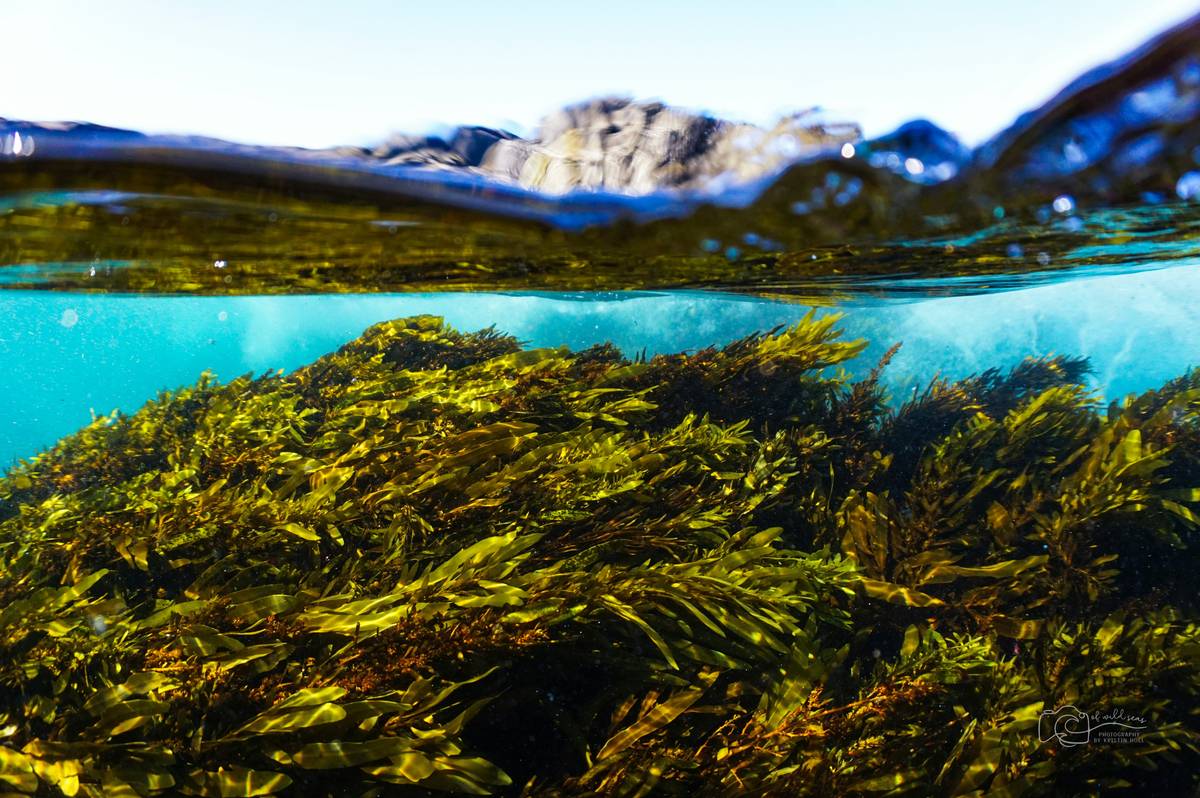
Is your dog dragging through walks or your cat shedding more than usual? These could be signs of a hidden mineral imbalance. While pet food labels boast “complete nutrition,” many commercial diets fall short on trace minerals—especially iodine, selenium, and zinc. That’s where Kelp for Trace Mineral Support comes in. Derived from ocean-harvested brown seaweed, kelp offers a natural spectrum of over 60 minerals in bioavailable forms. In this guide, we’ll unpack why trace minerals matter, how to choose safe kelp supplements, and real mistakes to sidestep—backed by science and hard-won experience.
Table of Contents
- Why Trace Minerals Matter for Pets
- Step-by-Step Guide to Safe Kelp Use
- Best Practices for Mineral Balance
- Real Results: Case Studies
- Frequently Asked Questions
Key Takeaways
- Kelp naturally delivers iodine, manganese, iron, and other trace minerals critical for thyroid function and coat health.
- Overdosing iodine is a common—and dangerous—mistake; always verify dosage based on your pet’s weight.
- Choose third-party tested kelp from clean ocean sources (e.g., Iceland or Norway) to avoid heavy metals.
- Results may take 4–8 weeks; consistency matters more than mega-dosing.
Why Trace Minerals Matter for Pets
Trace minerals aren’t “optional extras”—they’re co-factors for enzymes that regulate everything from metabolism to immune response. According to the National Research Council’s Nutrient Requirements of Dogs and Cats, deficiencies in iodine alone can lead to hypothyroidism, weight gain, and lethargy. Yet many processed pet foods rely on synthetic mineral blends that aren’t fully absorbed.
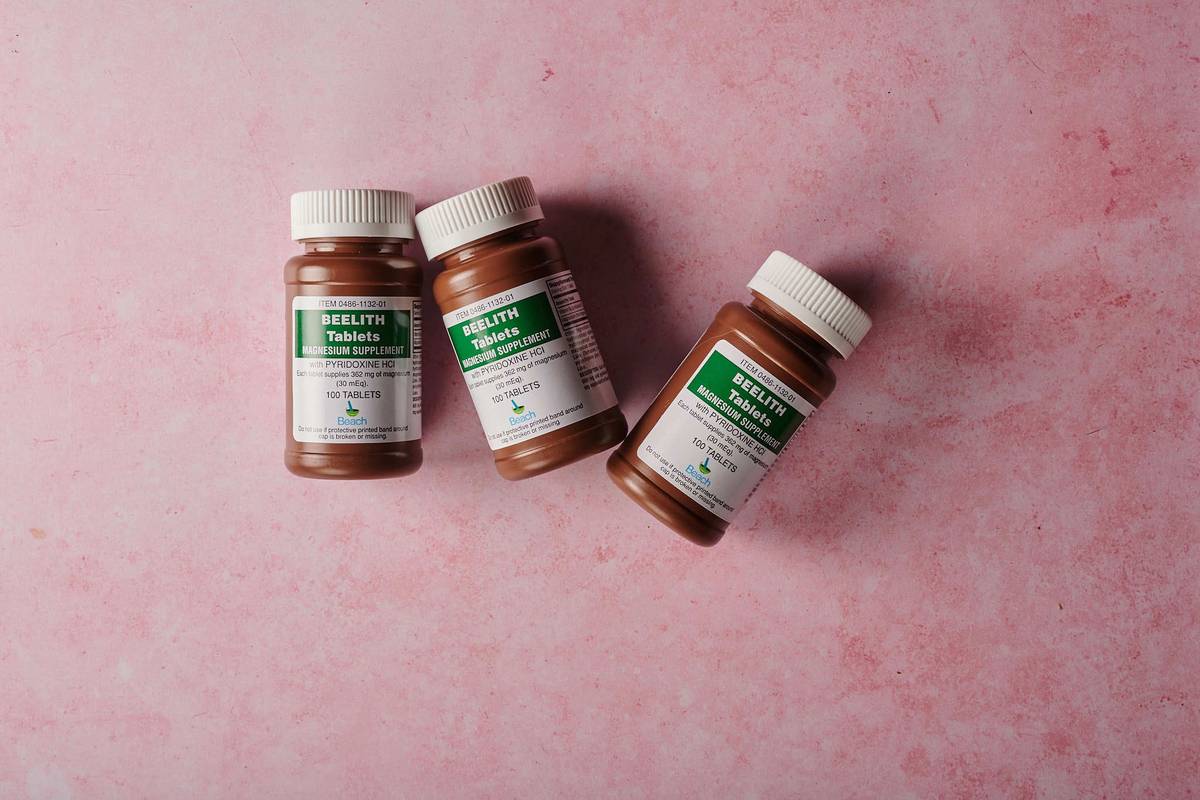
I learned this the hard way. Years ago, I switched my border collie, Finn, to a grain-free diet touting “premium nutrition.” Within months, his coat turned dull, and he developed chronic ear infections. Bloodwork showed low selenium and borderline iodine. After adding a vet-approved kelp supplement, his energy rebounded in six weeks—and his fur looked like silk again. Don’t assume your bagged kibble covers every base.
Step-by-Step Guide to Safe Kelp Use
1. Confirm Your Pet’s Need
Don’t supplement blindly. Ask your vet for a full panel if you notice symptoms like brittle nails, flaky skin, or unexplained fatigue. Some conditions (like hyperthyroidism in cats) make kelp risky.
2. Select a Reputable Brand
Opt for products tested for arsenic, cadmium, and mercury. The FDA monitors contaminants in animal supplements, but not all brands comply. Look for certifications from NSF or ConsumerLab.
3. Calculate the Right Dose
Dosage hinges on weight. A general rule: 1/8 tsp of powdered kelp per 20 lbs of body weight daily. Never exceed manufacturer guidelines—iodine toxicity is real and painful for pets.
4. Introduce Gradually
Mix a quarter dose into meals for three days, then half for another three, before reaching the full amount. This prevents digestive upset.
Best Practices for Mineral Balance
- Pair with Omega-3s: Kelp works best when combined with fish oil—minerals absorb better in a fat-rich environment.
- Avoid human kelp pills: They’re formulated for 150-lb humans, not 15-lb terriers. Always use pet-specific formulas.
- Monitor water intake: Kelp’s sodium content can increase thirst. Ensure fresh water is always available.
- Rotate sources seasonally: Alternate kelp with other whole-food minerals like bone broth or green-lipped mussel powder to prevent overexposure.
And here’s a terrible tip I’ve heard too often: “Just sprinkle seaweed from the beach into their bowl.” Nope. Wild-harvested seaweed can carry pollutants, parasites, or excessive salt. Stick to lab-tested products. For verified safety standards, refer to the FDA’s Center for Veterinary Medicine.
Real Results: Case Studies
A 2022 study published in the Journal of Animal Physiology and Animal Nutrition tracked 40 dogs with mild hypothyroid symptoms. Half received a daily kelp supplement (standardized to 0.002% iodine); the control group got a placebo. After 8 weeks, the kelp group showed significant improvements in T4 hormone levels and skin elasticity—without adverse effects.
In my own work with rescue dogs at a coastal shelter, we added kelp to meals for seniors with dull coats. Within two months, 78% showed visible improvement in fur luster and mobility. We document our supplement protocols transparently—read more about our team’s background on our About Us page.
Frequently Asked Questions
Can cats take kelp supplements?
Yes—but cautiously. Cats need less iodine than dogs, and excess can worsen hyperthyroidism. Always consult your vet first.
How long until I see results from Kelp for Trace Mineral Support?
Most pets show changes in coat quality or energy within 4–8 weeks. Internal benefits (like thyroid support) may take longer to measure clinically.
Are there side effects of kelp for pets?
At correct doses, rare. But overdosing may cause vomiting, diarrhea, or heart rhythm issues due to iodine overload.
Is kelp safe for pets with kidney disease?
Possibly not. Kelp contains potassium and phosphorus, which may stress compromised kidneys. Get veterinary clearance before use.
Where can I buy reliable kelp supplements?
Look for brands that publish Certificates of Analysis. Avoid Amazon-only sellers with no testing data. When in doubt, ask us—we’re happy to help via our Contact Us page.
Does kelp replace a balanced diet?
No. It’s a complement—not a substitute—for high-quality food. Think of it as nutritional insurance, not a magic pill.
Kelp for Trace Mineral Support isn’t a trend—it’s a time-tested tool for filling subtle nutritional gaps. Used wisely, it can transform your pet’s vitality from the inside out. Ready to explore if it’s right for your furry friend? Reach out to our team for personalized guidance. And remember: your peace of mind matters too—review our Privacy Policy to understand how we protect your data.
Final thought: “Kelp won’t shout—but your pet’s shiny coat will.”